Team: 24 (production crew)
OVERVIEW
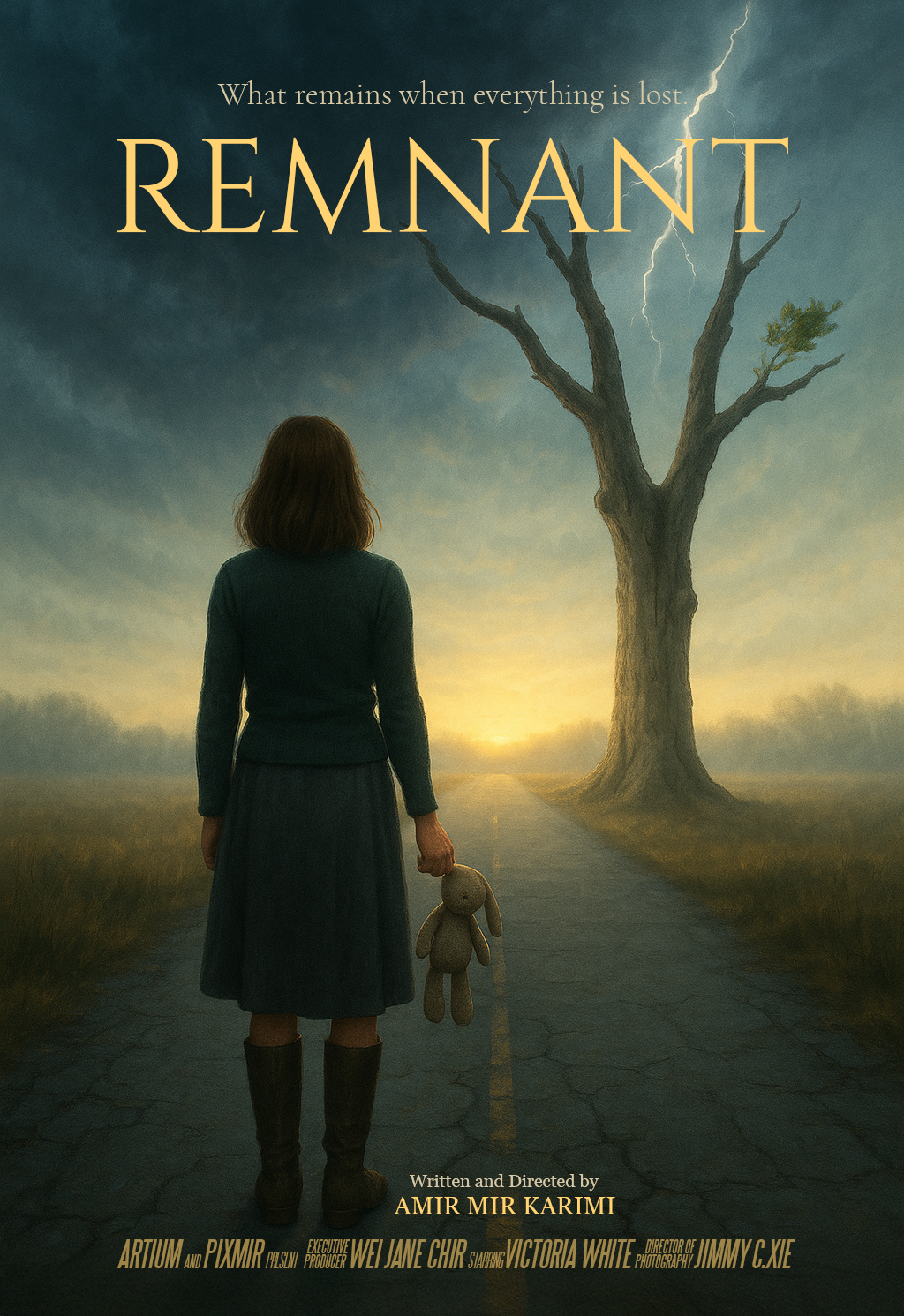
Remnant treats grief not as an emotion, but as a force that reshapes reality.
Instead of remaining internal, loss manifests in the world, where environment, color, and encounters reflect the character’s psychological state.
The film operates as a system of perception rather than a linear narrative.
Instead of remaining internal, loss manifests in the world, where environment, color, and encounters reflect the character’s psychological state.
The film operates as a system of perception rather than a linear narrative.
CONCEPT
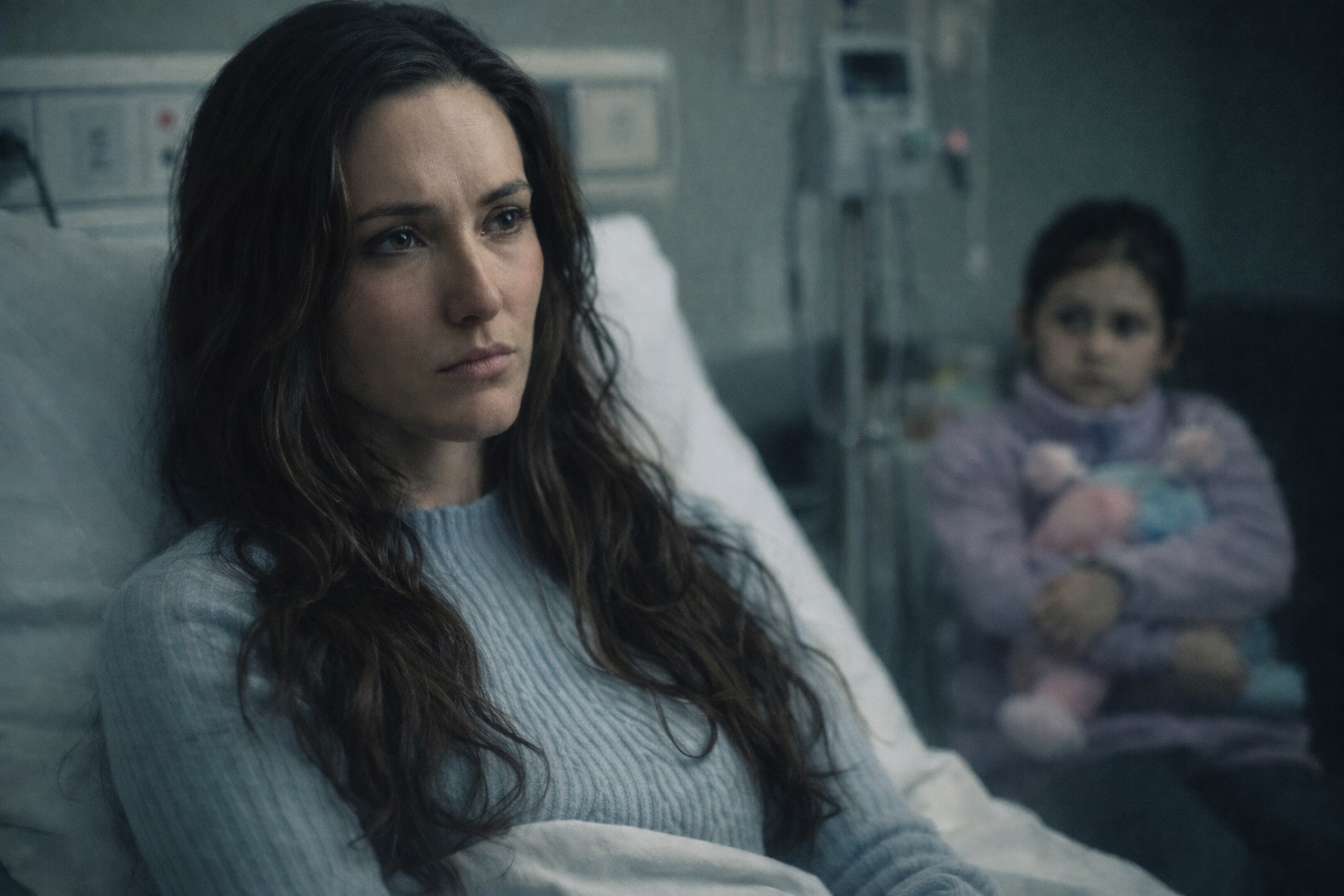
The film explores grief as a distortion of perception rather than a memory of loss.
Reality becomes unstable, shaped by what remains unresolved within the character.
Reality becomes unstable, shaped by what remains unresolved within the character.
The presence of the young girl is not literal — she represents a fragmented version of the self that continues to exist beneath suppression.
Encounters, spaces, and transitions are all driven by internal states rather than objective logic.
Encounters, spaces, and transitions are all driven by internal states rather than objective logic.
This approach allowed the film to operate psychologically instead of narratively — where meaning is experienced rather than explained.
CREATIVE SYSTEM
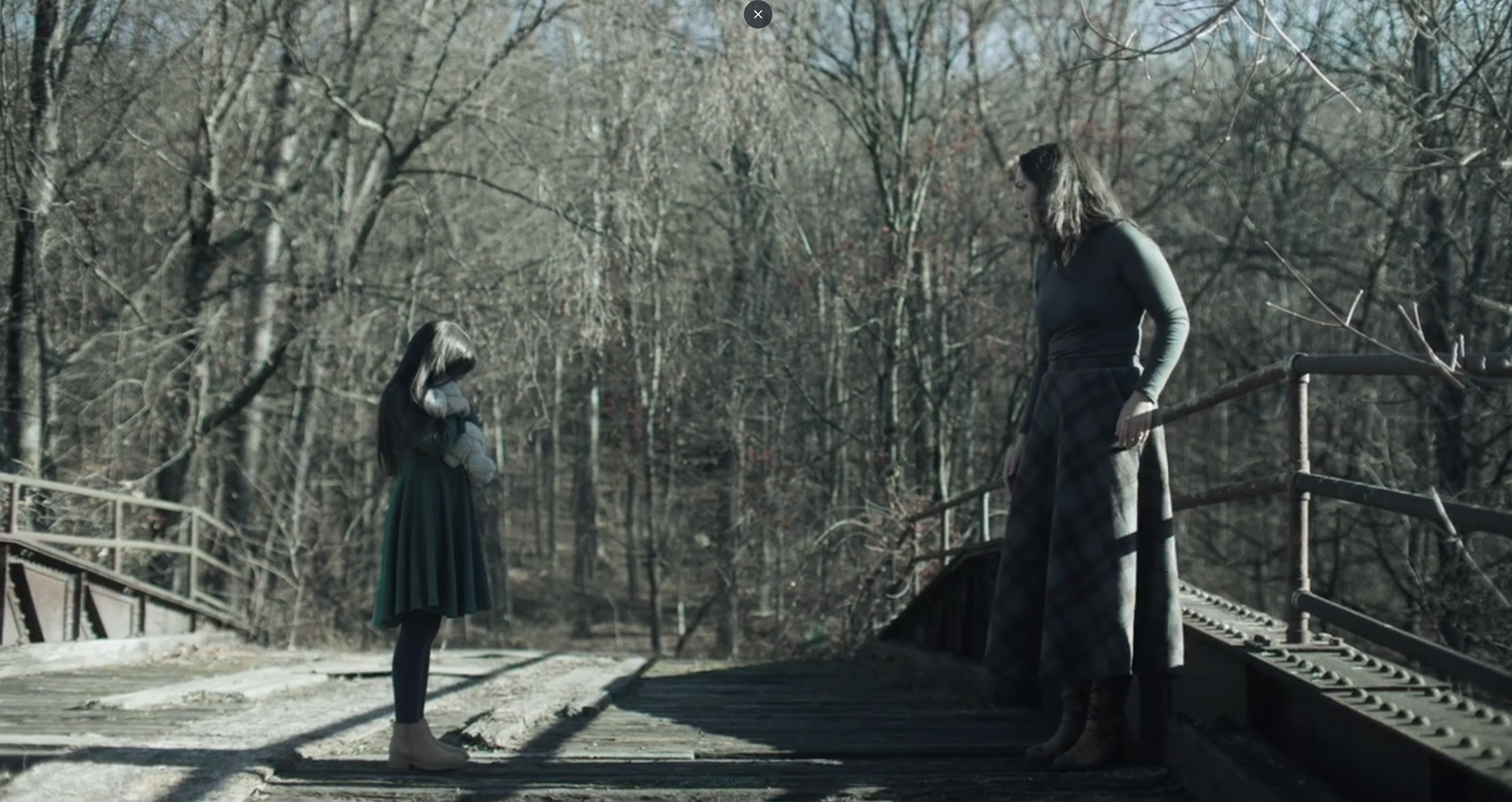
- The environment reflects the character’s internal state
- Desaturation suppresses emotional presence
- The child represents a fragmented self
- The storm builds psychological pressure
DIRECTORIAL DECISIONS
Non-linear structure
The film avoids chronological storytelling to reflect fragmented grief. This structure allowed control over tension and revealed information in a psychological sequence rather than a temporal one.
The film avoids chronological storytelling to reflect fragmented grief. This structure allowed control over tension and revealed information in a psychological sequence rather than a temporal one.
Emotional restraint
The main character remains controlled and distant, reflecting suppression rather than expression of grief.
The main character remains controlled and distant, reflecting suppression rather than expression of grief.
Symbolic substitution
Objects replace people — the toy car stands in for the child, while the rabbit doll carries the memory of the inner self.
Objects replace people — the toy car stands in for the child, while the rabbit doll carries the memory of the inner self.
Atmospheric realism
Instead of stylized artificial effects, the film relies on grounded environments to make psychological distortion feel believable.
Instead of stylized artificial effects, the film relies on grounded environments to make psychological distortion feel believable.
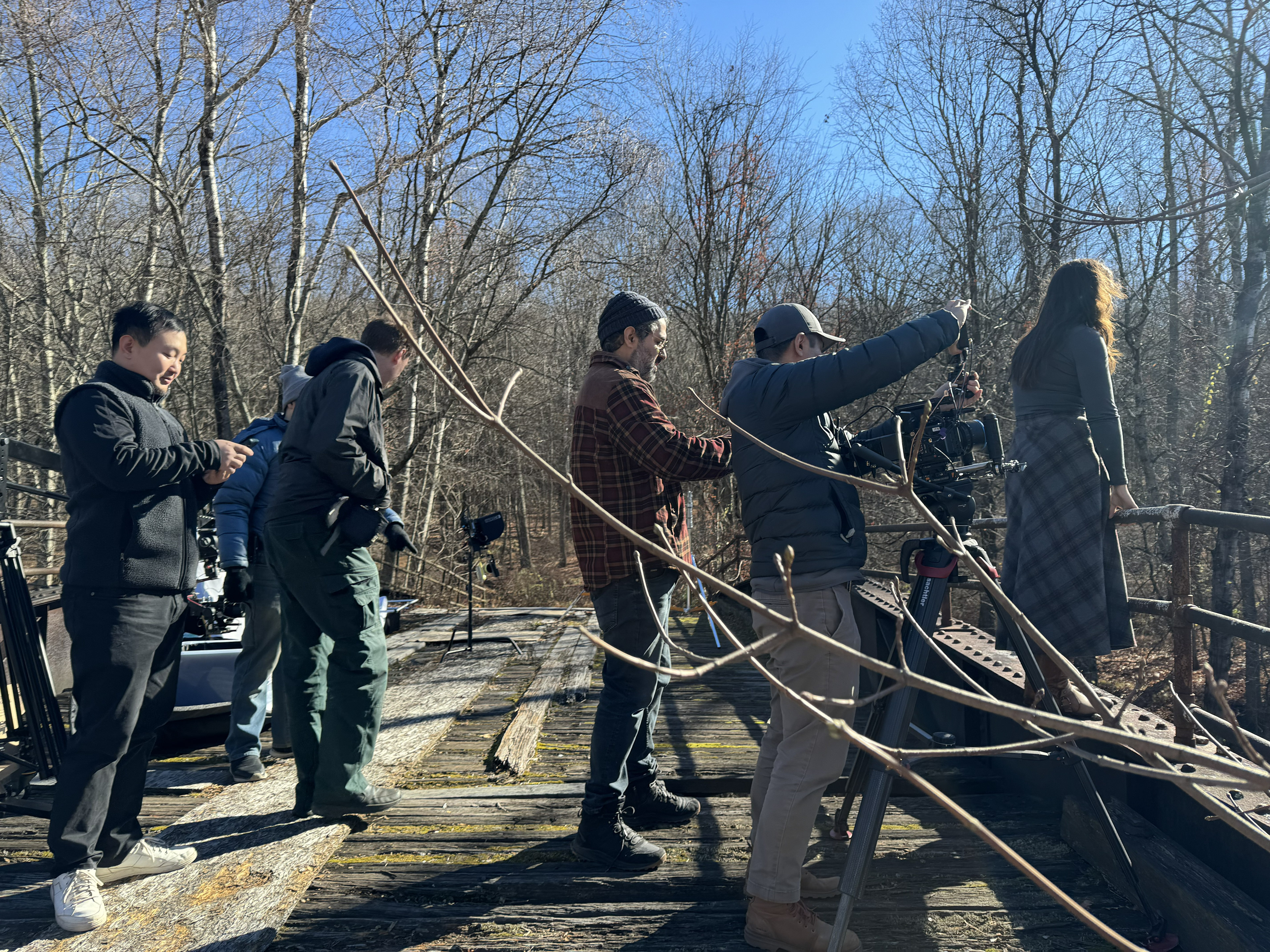
Train Sequence
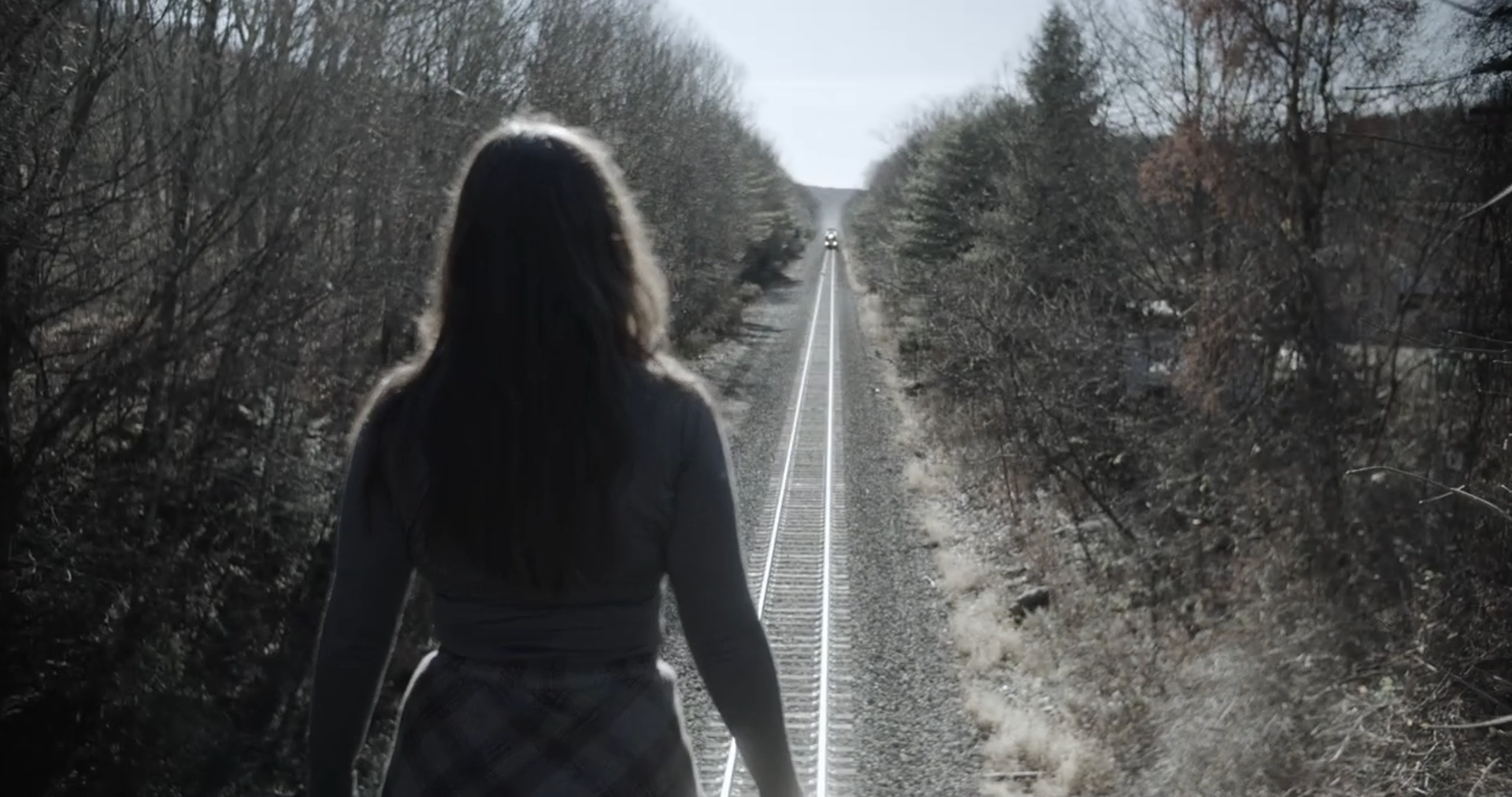
The train represents transition — a passage between worlds.
Finding the right location was critical, so I searched for an abandoned railway bridge that could carry that symbolic weight.
Finding the right location was critical, so I searched for an abandoned railway bridge that could carry that symbolic weight.
The location itself became part of the narrative rather than just a setting.
Storm as a System
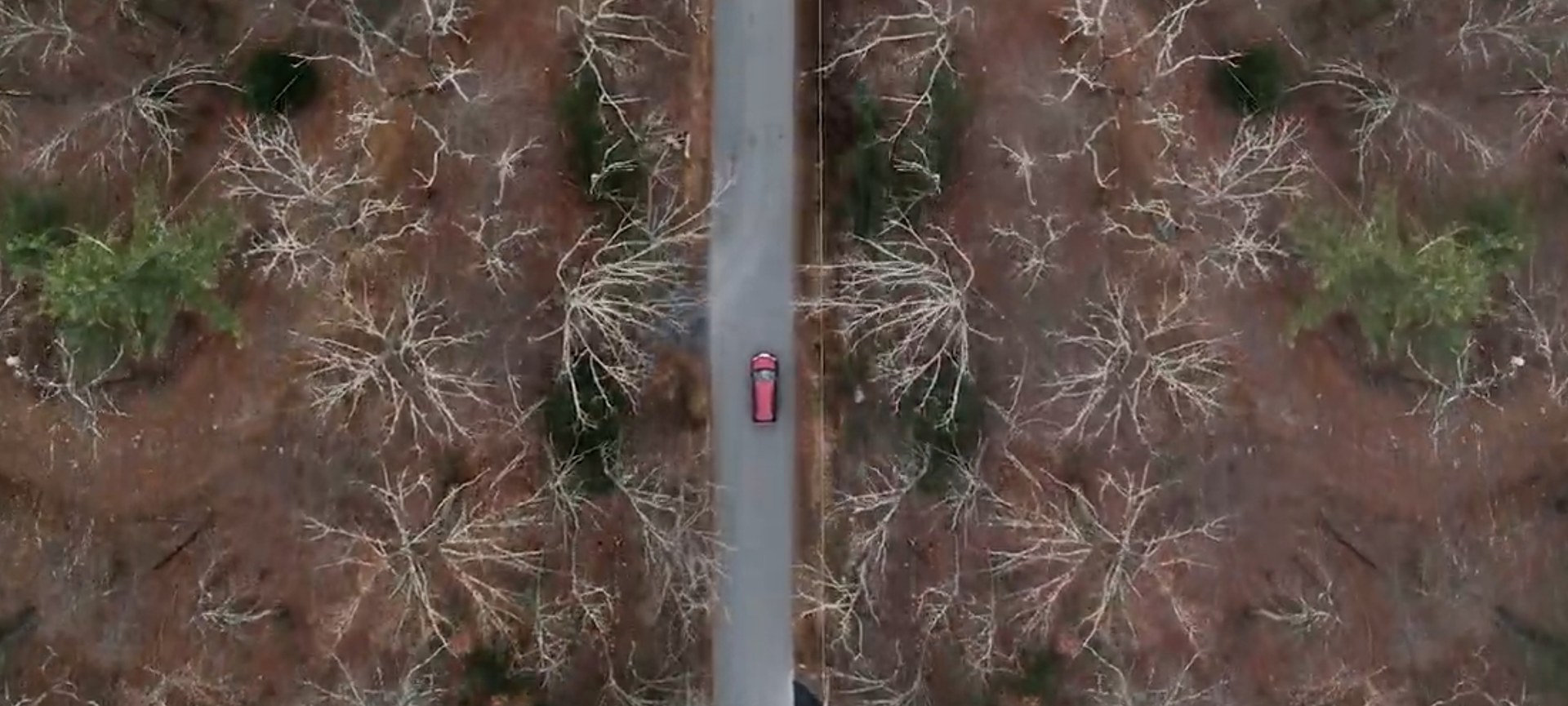
The storm is a central force in the film.
To maintain realism, I waited for naturally overcast conditions for drone shots, allowing the storm to be extended in post while preserving natural lighting and atmosphere.
To maintain realism, I waited for naturally overcast conditions for drone shots, allowing the storm to be extended in post while preserving natural lighting and atmosphere.
Approach to Production
The film avoids artificial shortcuts.
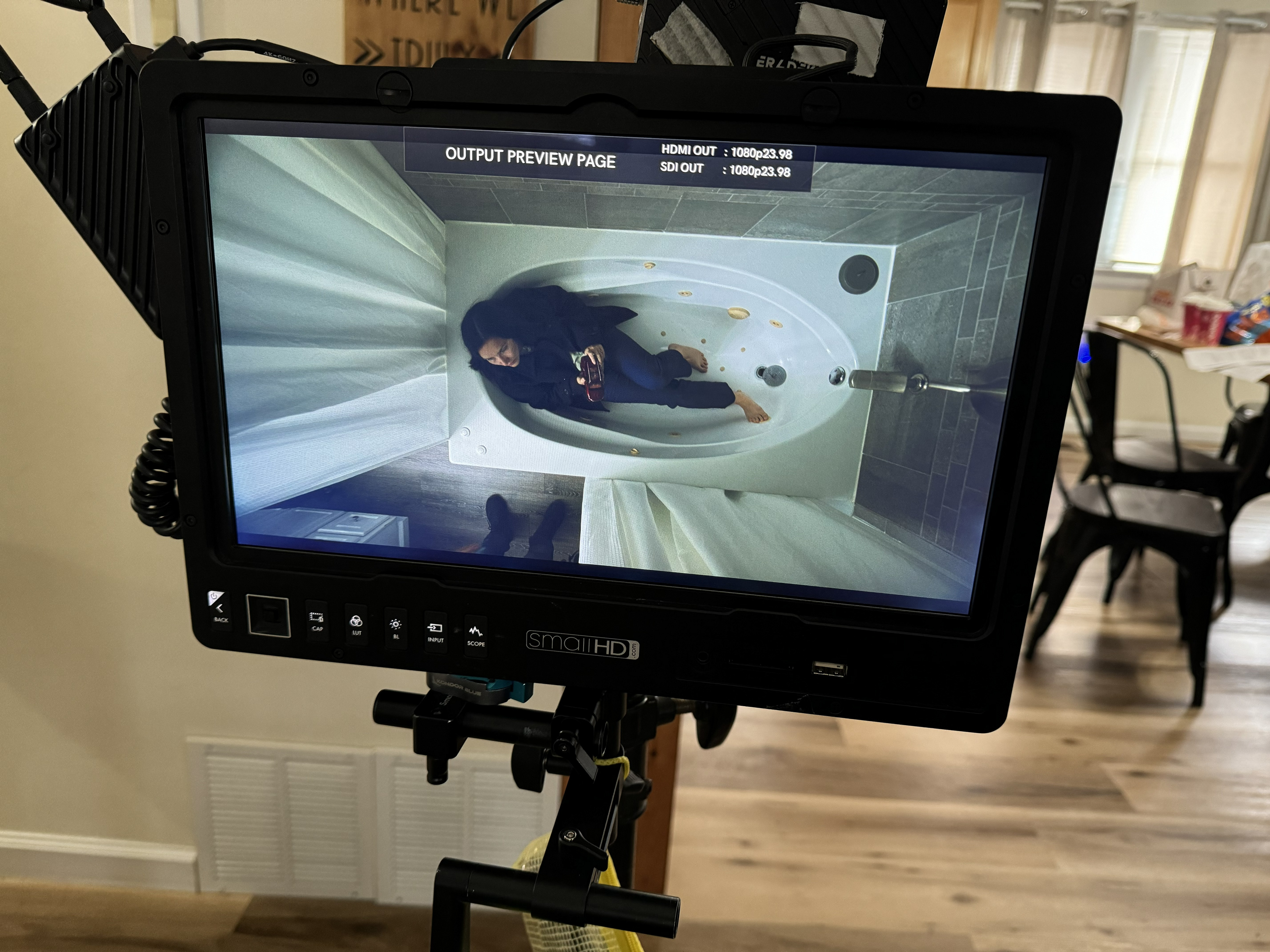
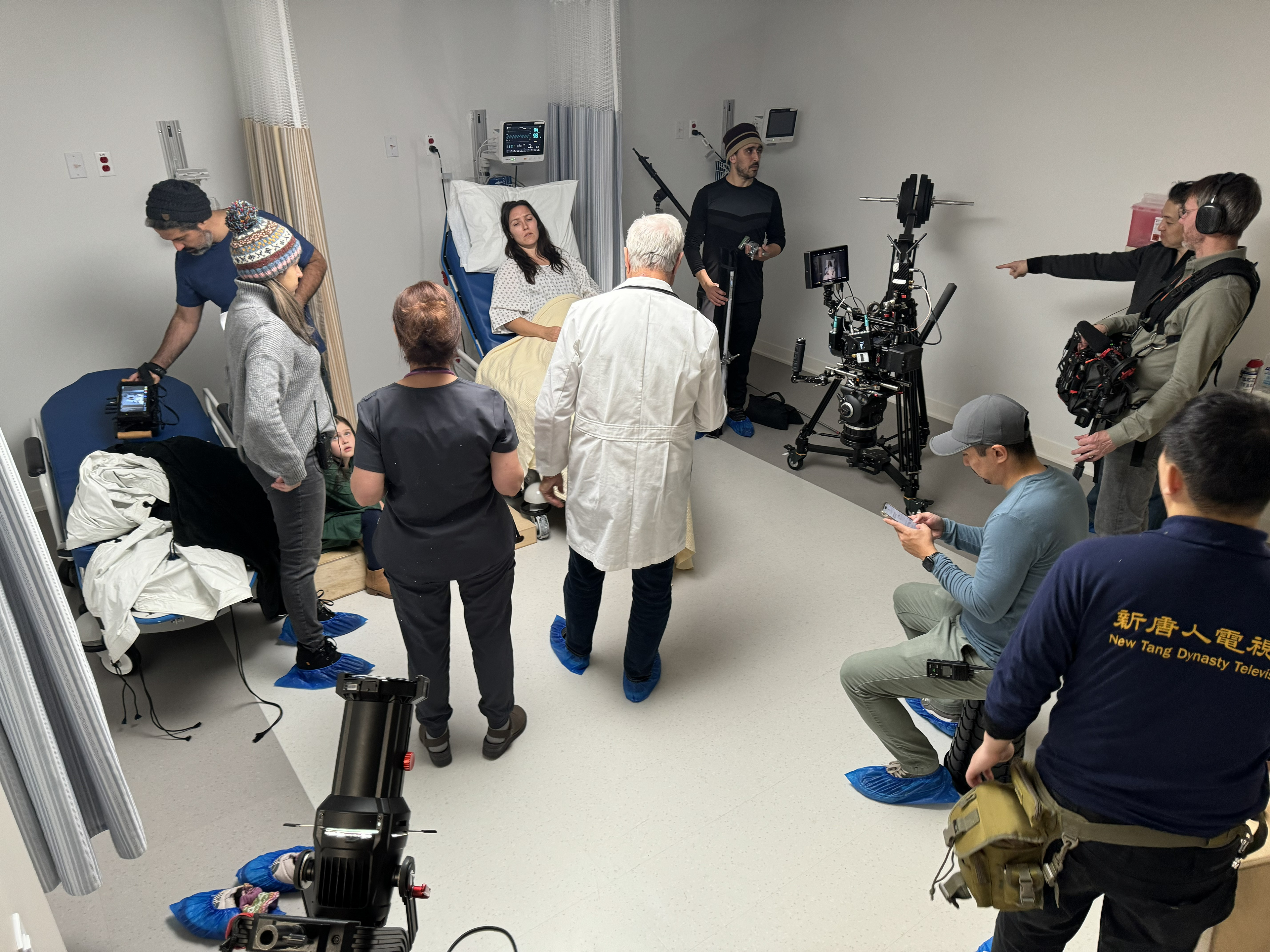
All elements were built through physical production and controlled environments to maintain consistency between emotional tone and visual reality.
All elements were built through physical production and controlled environments to maintain consistency between emotional tone and visual reality.
SYMBOLIC OBJECTS
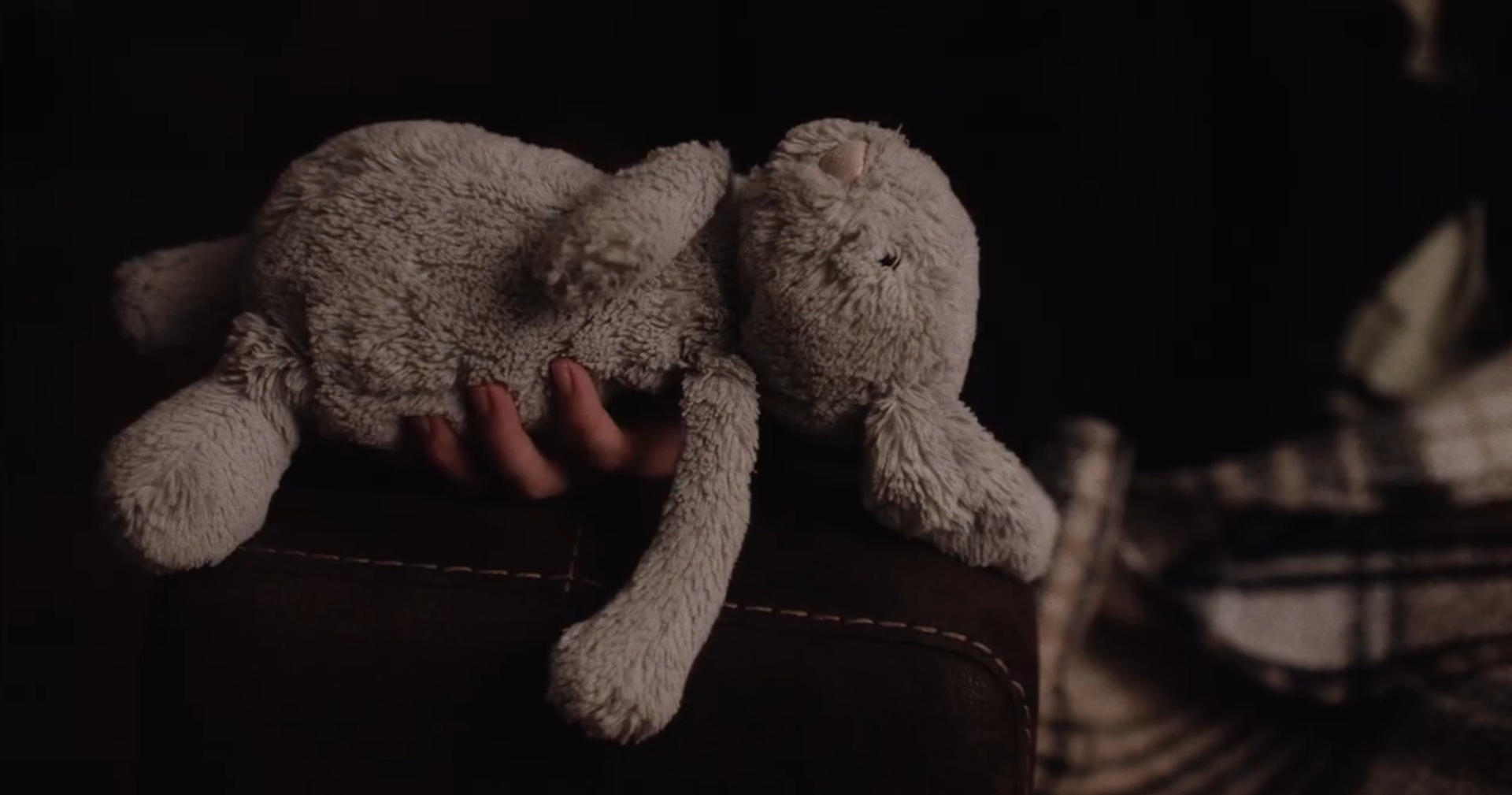
Objects carry emotional meaning throughout the film.
The rabbit doll represents the inner child — a version of the self that remains untouched by loss.
The toy car replaces the son, acting as a displaced emotional anchor.
The toy car replaces the son, acting as a displaced emotional anchor.
As the film progresses, these elements evolve — culminating in the final moment where the character reconnects with herself.
Remnant is not about loss itself, but about what remains when grief reshapes reality.