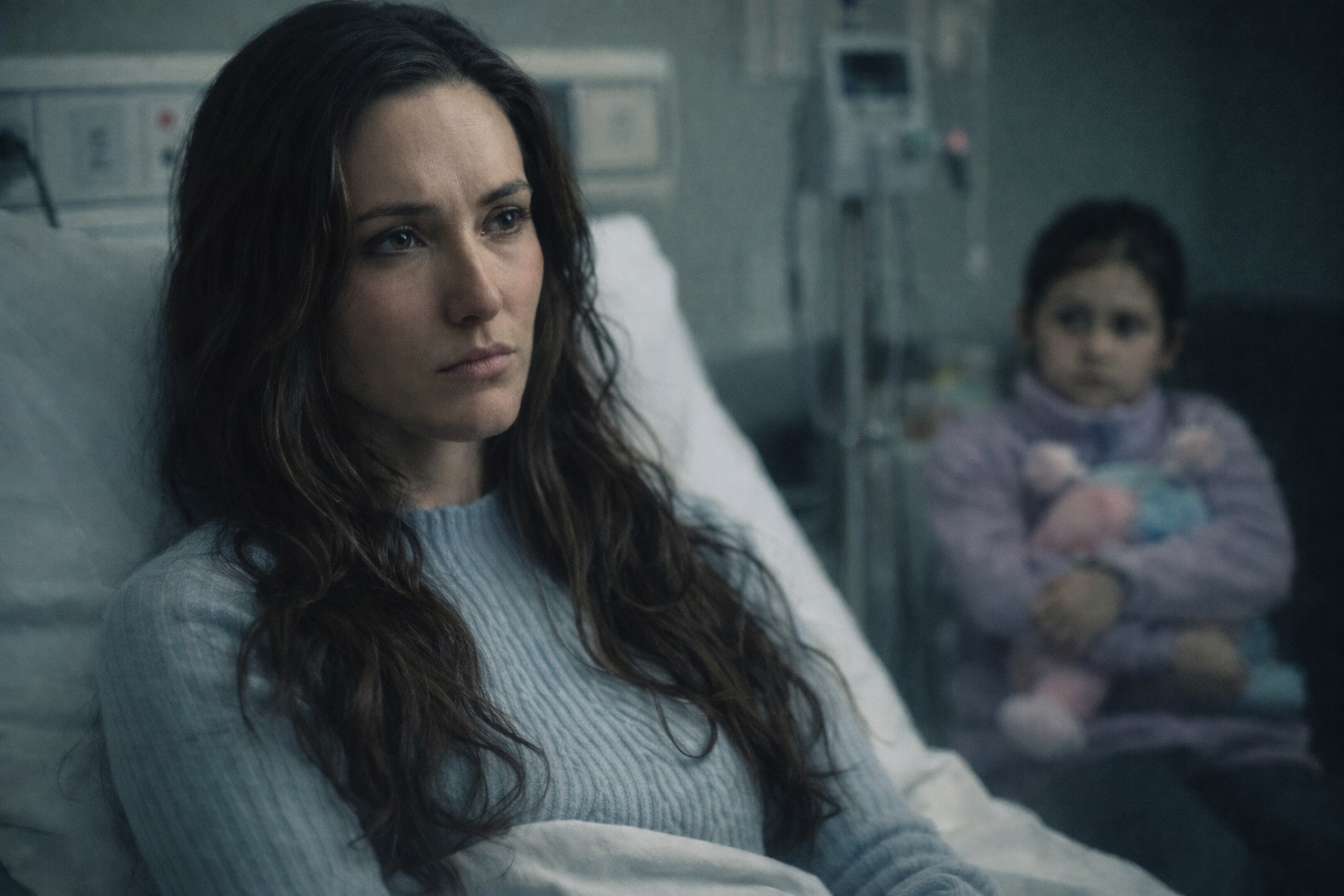
Remnant is a psychological short about grief, identity, and the part of us that survives when everything else is gone. The film follows a woman who loses her husband and child in a car accident — and almost loses herself afterward.
The Question
If your identity is built around being needed, being loved, being a mother, what remains when those roles collapse?
Remnant suggests that when external meaning disappears, the only thing that can anchor us is the Core. the inner child that existed before roles, before responsibility, before love became something to maintain.
When Sarah stands close to ending her life, the little girl emerges, crying for safety.
She believes she is trying to save the child.
In reality, she is saving herself.
Creative Direction
The outside world mirrors Sarah’s internal state.
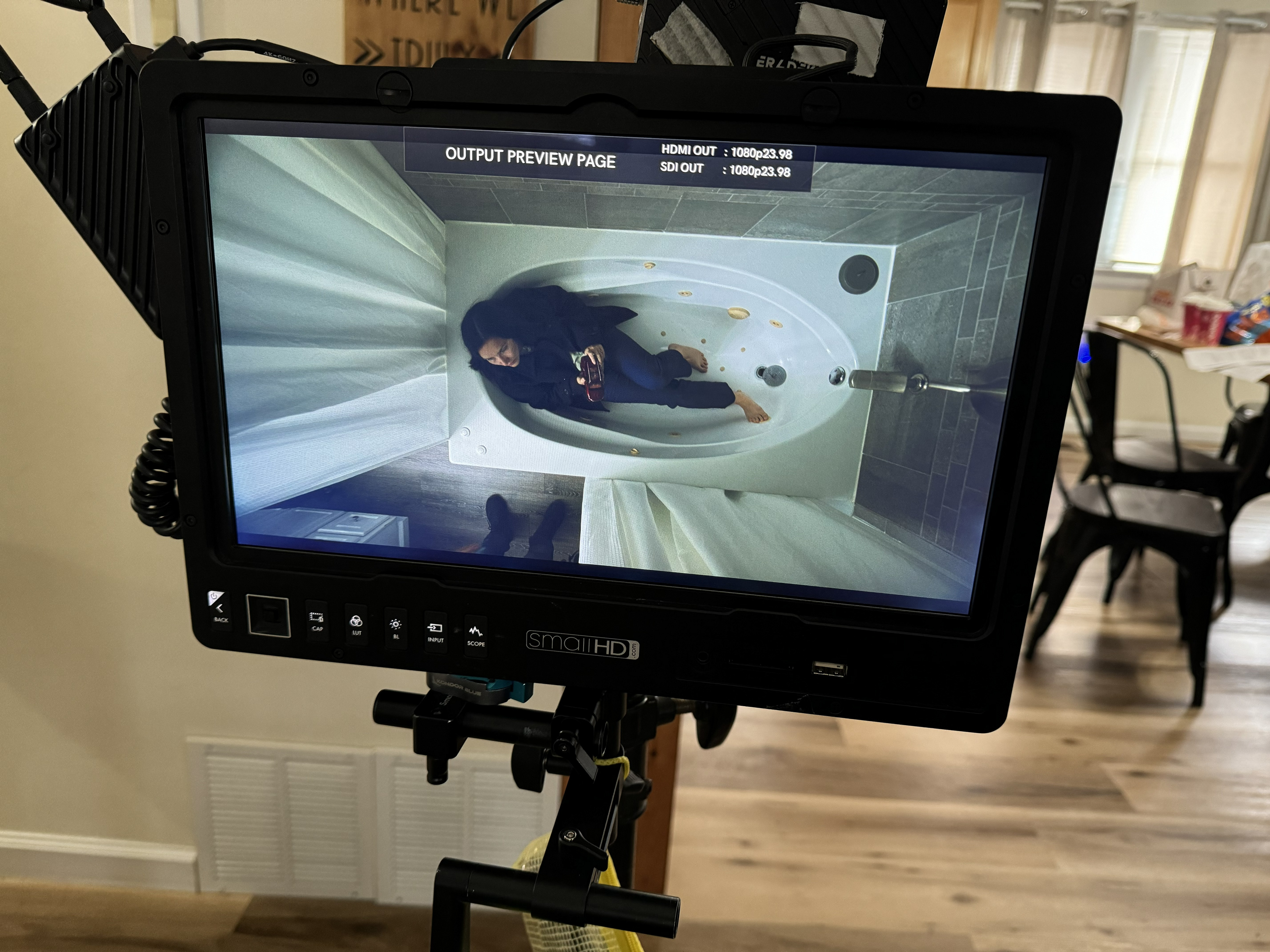
A storm approaches, arrives violently, and eventually passes — reflecting the rhythm of grief. Rain becomes an emotional extension of her collapse.
Color drains gradually from the world. Skin tones flatten. Interiors grow cold. Only the little girl holds slightly more saturation — not magical, just alive.
The surreal element is treated with restraint. The girl is framed as if she naturally belongs in the room. The camera never signals hallucination. She is simply present.
Character Design
Sarah is not fragile. She is disciplined, self-contained, and emotionally strong.
That strength matters.
Because she once had a deep connection to her Core — and that buried connection resurfaces at the brink. The child does not haunt her. She protects her.
What appears as a breakdown becomes an act of survival.
My Role
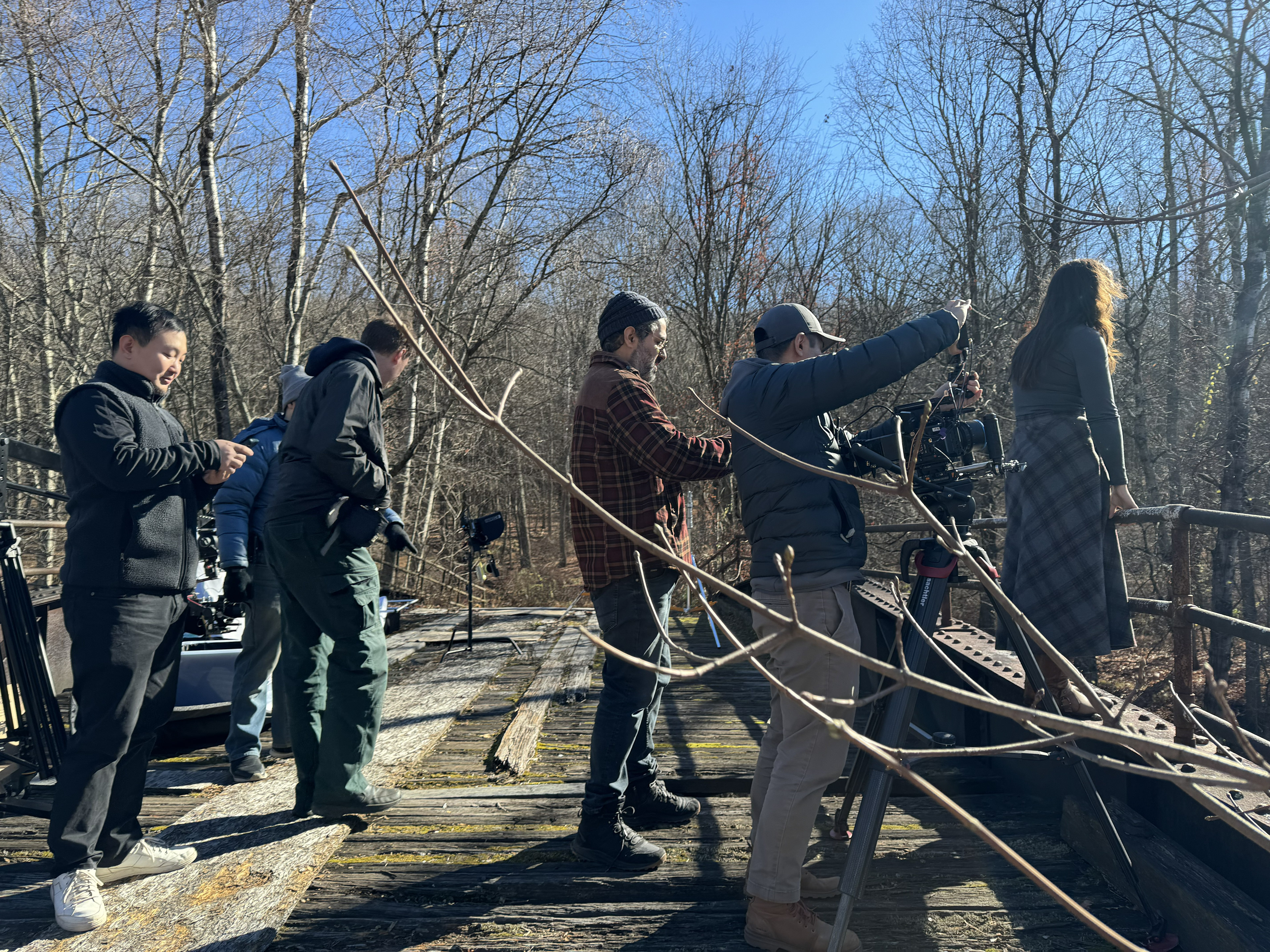
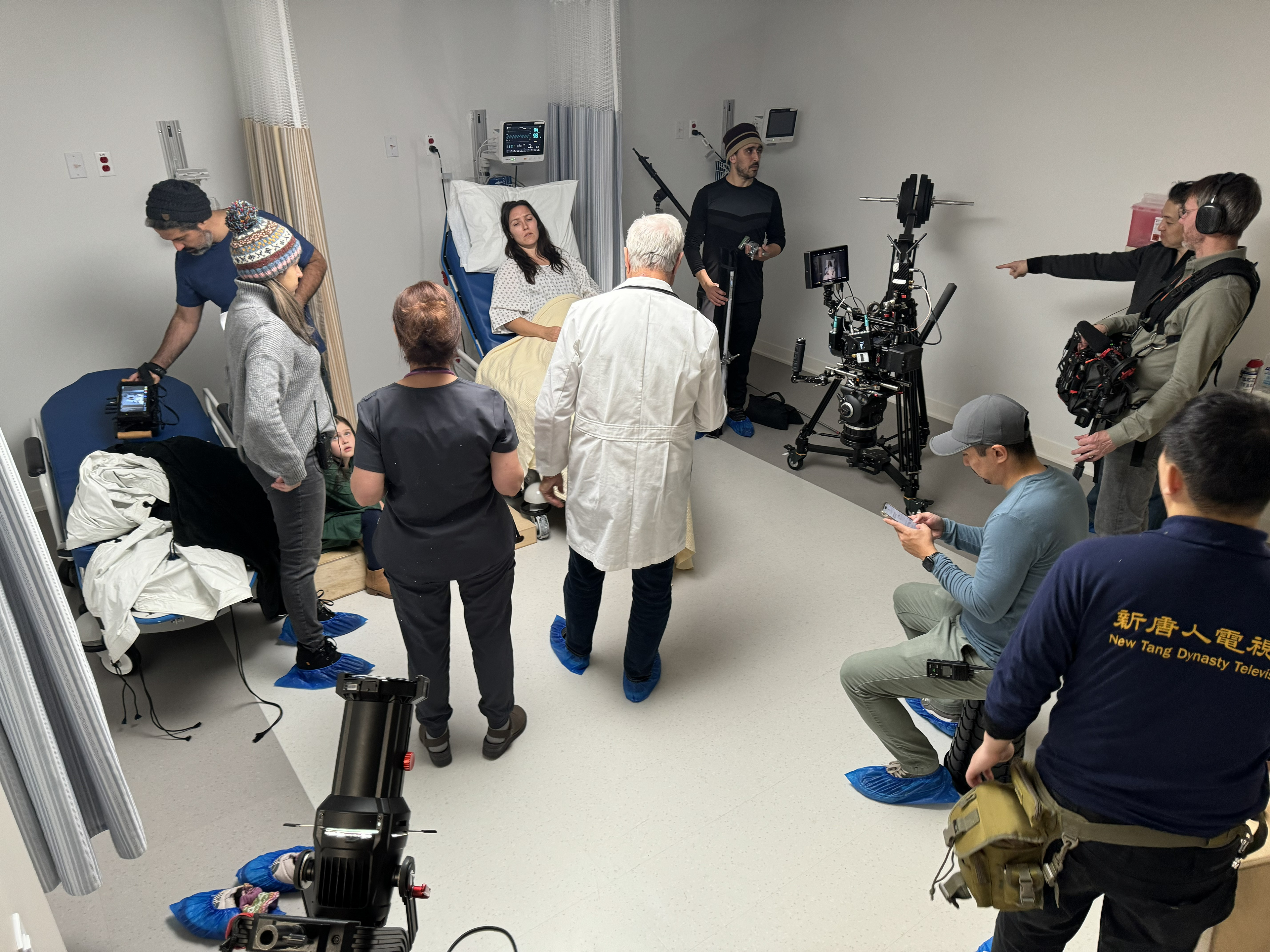
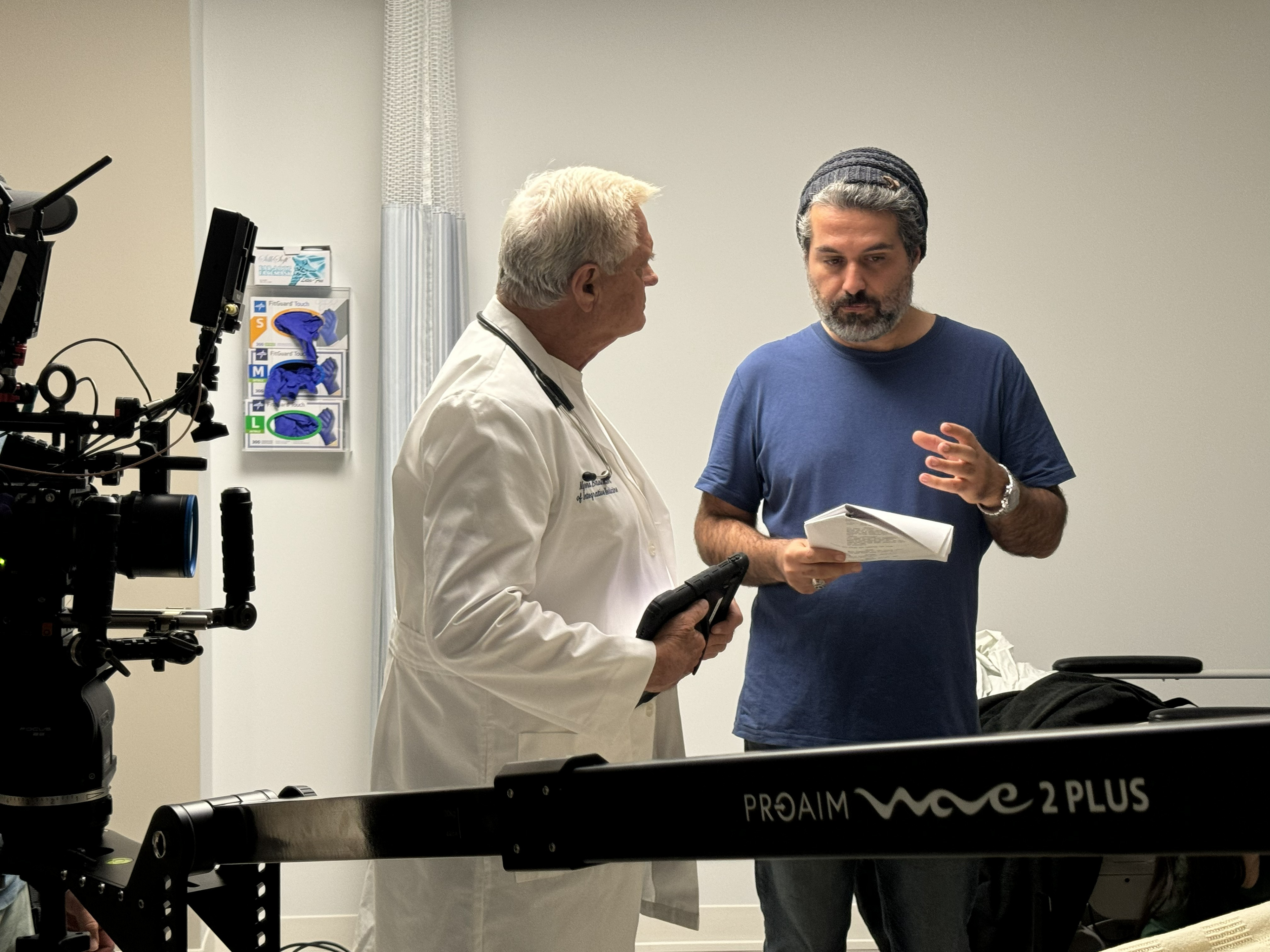
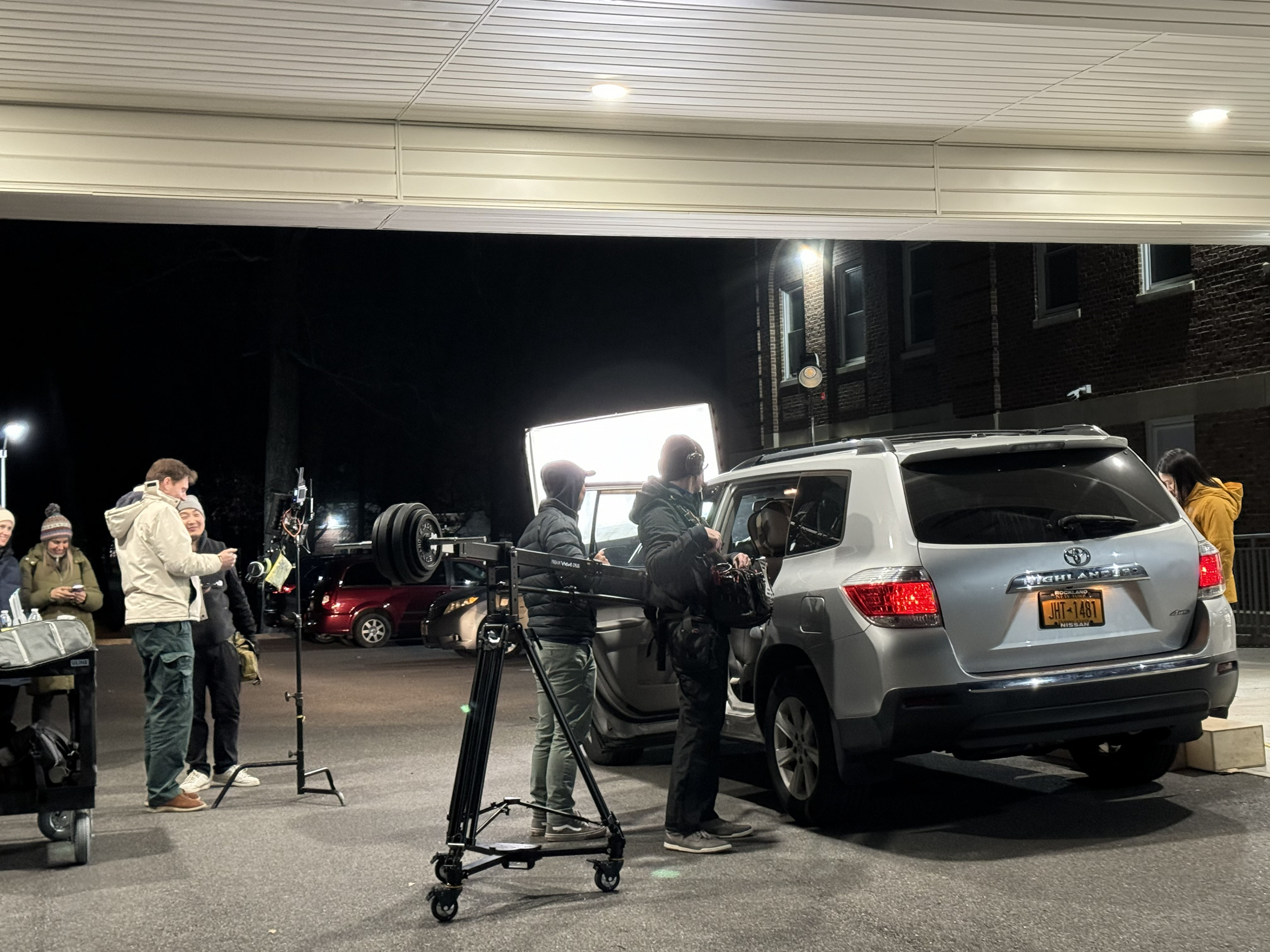
I developed the concept, wrote the script, directed the film, and shaped the visual language and thematic structure.
The film was built from a psychological question rather than a plot device. Every visual decision — from framing to color — supports the internal architecture of the story.